By: Miriam Bribiesca
Every travel article will sell you a dream talking about the golden hour photos you can get and the life changing moments you’ll experience… and while all of that can be real, so is losing your passport in a foreign country, or having your bag stolen in a city where you don’t speak the language. Nobody is putting this stuff in their highlight reel but it happens more often than you think.
So consider this your article your preparation for the trip that goes sideways, so that when it does (even though we really hope it never happens) you can handle it like someone who has absolutely done this before.
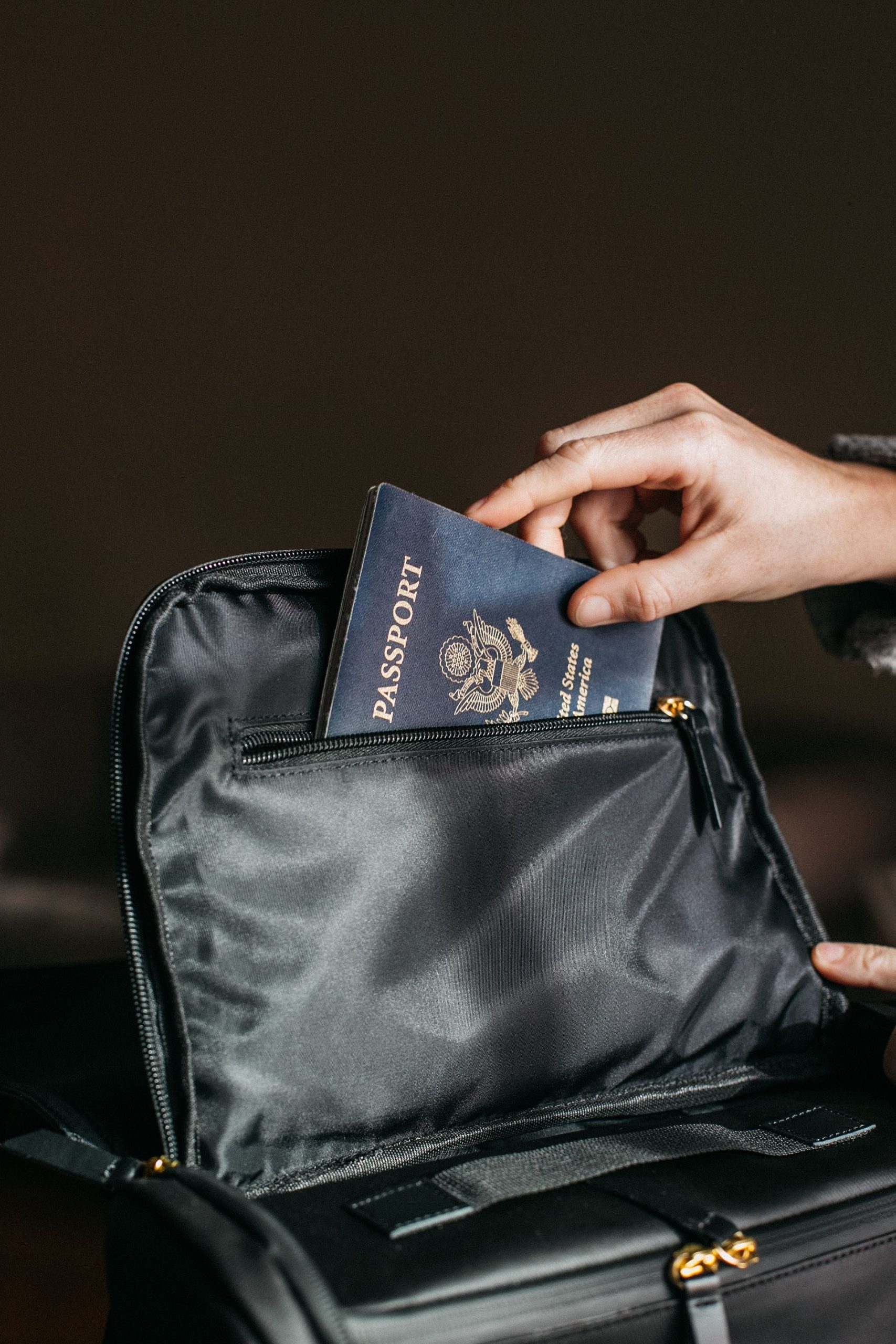
What To Do If You Lose Your Passport
If reading the title made your stomach drop, same. This one stings when it happens, but it is completely survivable and people get through it all the time. But if we are being honest, between the replacement fees and any extra nights you need to stay while you wait for the situation to resolve, you could be looking at anywhere from $300 to $600+ depending on where in the world you are when misfortune strikes. Not fun, we know, but not the end either.
Here’s exactly what to do:
- File a police report immediately – you’ll need it for everything that comes next
- Call your embassy’s 24 hour emergency line – every US embassy has one and they have genuinely seen this situation a thousand times and can guide you on what to do next
- Fill out Form DS-64 – this is the official lost passport report form, available at any embassy or online
- Gather your documents (Ideally before traveling) – digital copies of your passport, ID, and proof of travel plans will speed everything up significantly
- Budget for the unexpected – replacement fees start at $130 but can climb quickly with expedited processing and accommodation costs while you wait so always try to have some amount set aside
- Use your travel insurance – a good travel policy covers emergency document replacement and this is exactly the moment it pays for itself

What To Do If Someone Stole Your Wallet or Your Phone
First, breathe! Second, file a police report immediately, even if it feels pointless. Many travel insurance claims and card fraud protections legally require one before they’ll process anything. So find the local police station, file the report, and get a copy or reference number before you leave.
Then find a way to communicate, you can head to your hostel, hotel, or the nearest café and ask to use their phone or WiFi. Most people will help without hesitation.
Once you have access to a device here’s what to do:
- Call your bank – most major banks have 24 hour international lines that can freeze your cards, dispute recent charges, and arrange emergency card delivery within days
- Remotely lock or wipe your stolen phone – log into iCloud or Google’s Find My Device from any browser and lock it before anyone gets into your accounts
- Change your passwords – email, banking, and social media from whatever device you borrowed, right now, before anything else
- Contact your travel insurance – stolen items, emergency cash, and replacement costs are exactly what the policy is there for
Pro Tip: never keep everything in one place. Card in one pocket, cash in another, backup card locked in your accommodation. Losing everything because it was all in one bag is the most expensive and most preventable version of this story.

What To Do If You Missed Your Flight
We’ve all had dreams about it, and if it does happen to you, we recommend going directly to the airline desk and explaining calmly and clearly what happened. If the missed flight was caused by a delay on a previous leg of your journey, the airline is often legally obligated to rebook you at no cost. If it was your own timing issue, well rebooking fees vary but staff respond significantly better to calm, polite travelers than panicked pushy ones. So be kind!
Pro Tip: Always arrive earlier than you think you need to, especially internationally. The two hour rule exists for a reason and it has saved more trips than any travel hack ever written.

What To Do If You Get Sick Abroad
This is the one people least want to think about and most need to prepare for. Before you leave, check whether your current health insurance covers international medical care, most student plans do not. A basic travel insurance policy that includes medical coverage runs $30-$80 for a two week trip and covers emergency treatment, hospital stays, and medical evacuation if things get serious.
If you get sick without coverage, pharmacies in most countries are significantly cheaper than in the US so you may only be out of a couple hundred at the end of it all. For anything more serious, your embassy can provide a list of trusted local hospitals and English speaking doctors. Bet you didn’t know that, huh?!
As you can see, travel insurance is NOT optional. It is the one expense that sits between a bad day and a financially devastating one.
Ninety percent of travel emergencies are significantly worse because people weren’t prepared for things going sideways. The students who navigate these situations best aren’t luckier, they’re simply more prepared. They have digital copies of their documents, they have backup payment options, and they have travel insurance.
And let’s be real, none of this prep takes more than an hour before your trip. So no excuses!
We all know that the trip with some bumps in the road is almost always the one you tell the best stories about. Getting through unexpected challenges honestly builds a confidence that no smooth trip ever could. But if you are new to this traveling lifestyle and don’t want to find yourself in a sticky situation, we also wrote an article all about First Time International Travel, where we share tips and destinations to make sure you have the best experience possible.
When you’re ready to book your next adventure, ScholarTrip is where college students like you find the flights that make the whole thing possible without breaking the bank. Stay safe and stay curious!